
Melody Hooves Rhythm Runner
Reviews
Melody Hooves Rhythm Runner stands out for its seamless integration of music and movement. The deer character's animations sync beautifully with each beat, making every successful jump feel rewarding. The gradual difficulty curve ensures players of all skill levels can enjoy the experience without feeling overwhelmed. Its family-friendly design and lack of violent content make it a safe choice for households with young children. While the game is relatively short, its replayability comes from chasing higher scores and mastering the rhythm.
About this game
Core Rhythm Mechanics
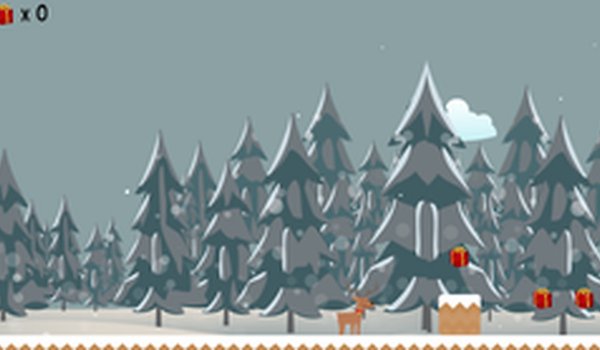
Melody Hooves Rhythm Runner centers on moving a cheerful deer character across a scrolling landscape. Players press keys to jump or shift left and right, matching their actions to the beat of the background music. The game rewards precise timing, as each successful move keeps the deer dancing forward. Obstacles appear in sync with the melody, creating a natural flow between audio cues and on-screen action. This design makes the experience feel less like a traditional platformer and more like an interactive music video.
Visual Style and Audio Design
The game uses bright, saturated colors and simple character shapes that appeal to a broad audience. Each stage features a distinct musical theme, with instruments and rhythms that change as players progress. The deer character bobs and sways to the tempo, adding a layer of visual charm. Sound effects for jumps and landings are soft and melodic, avoiding harsh noises. The overall presentation aims to create a calm, inviting atmosphere suitable for family play.
Accessibility and Control Scheme
Controls are limited to a few keyboard keys, making the game approachable for young children and adults with limited gaming experience. The left and right arrows handle horizontal movement, while a dedicated key triggers jumps. No complex combinations or rapid sequences are required. The game provides visual prompts before new obstacle types appear, allowing players to learn gradually. This thoughtful design reduces frustration and keeps the focus on enjoying the rhythm.
Progression and Challenge Curve
As players advance, the music tempo increases and obstacle patterns become more intricate. However, the difficulty ramps up slowly, giving players time to adapt. Each completed stage unlocks the next, with no penalties for repeated failures. The game encourages multiple attempts by offering a brief pause between tries. This structure supports skill building without pressure, making it suitable for casual sessions or longer play periods.






Comments
Sign in to leave a review
No account? Create one
No comments yet.