
Piano Tile Tap Challenge
Reviews
Piano Tile Tap Challenge strips away all unnecessary elements to deliver a focused reaction game. The core loop is immediate and satisfying. Each run feels tense because one slip ends everything. The gradual speed increase keeps the difficulty curve fair, and the clean visual design helps players stay locked in. It works well for short bursts or longer practice sessions. The lack of power-ups or checkpoints means improvement comes only from practice. This makes it a solid choice for anyone who enjoys testing their own limits without distractions.
About this game
Core Gameplay Loop
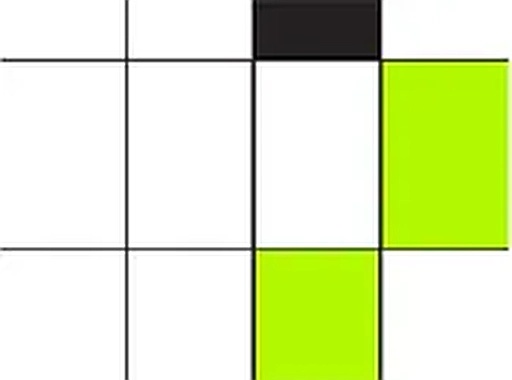
Each round presents a scrolling line of tiles. Players must tap only the dark ones while ignoring the light ones. The sequence moves at a steady pace that gradually increases. A single mistake resets the run, so every tap matters. This straightforward mechanic creates a rhythm-like experience where timing and accuracy are everything.
Difficulty Progression
The game starts slowly, giving newcomers time to adjust. As players build confidence, the speed picks up. Later stages demand quicker decisions and sharper focus. The challenge lies not in complex rules but in maintaining precision under pressure. This gradual ramp keeps the experience fresh and rewarding for both casual and dedicated players.
Visual and Feedback Design
The interface uses a clean, minimal look. Dark and light tiles contrast clearly, making targets easy to spot. Each successful tap produces a subtle visual cue, reinforcing correct actions. The simple design reduces distractions, letting players concentrate entirely on the next tile. This clarity is essential for fast-paced play.
Session Structure and Replay Value
Rounds are short, often lasting just a few minutes. This makes the game ideal for quick breaks or longer practice sessions. The only goal is to beat your previous best score. There are no levels or checkpoints, so each attempt is a fresh start. This design encourages repeated play as players strive to improve their reaction time and consistency.








Comments
Sign in to leave a review
No account? Create one
No comments yet.